
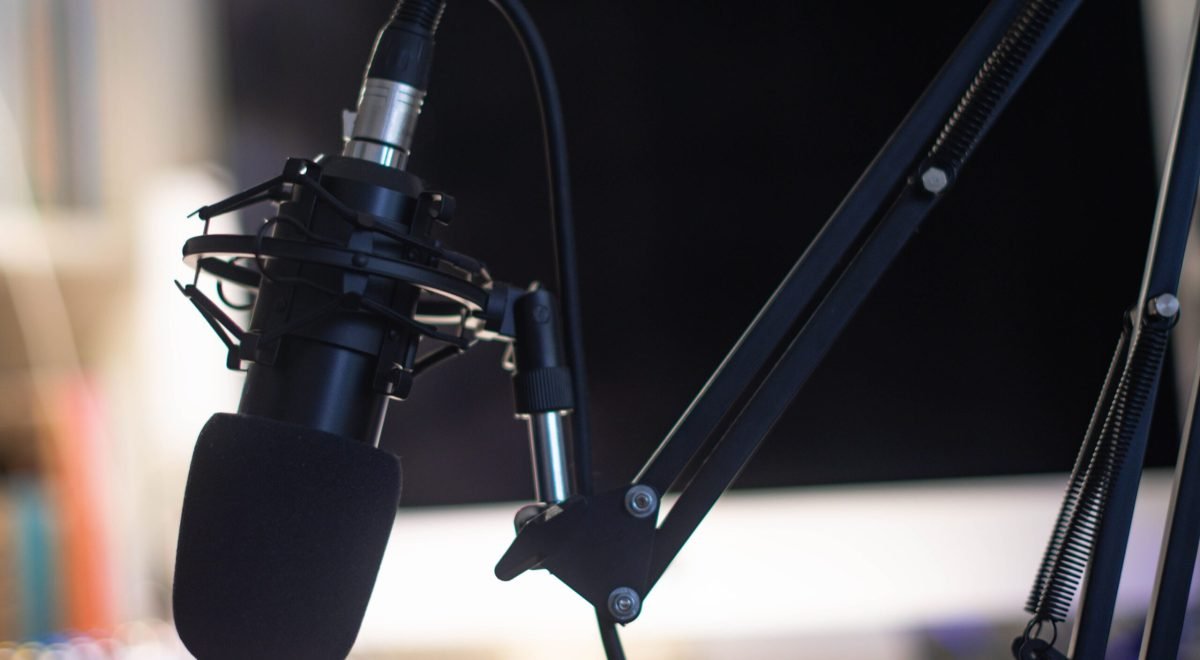
How to Clone Your Own Voice Using AI (And What You Can Use It For)
Have you ever wished you could record a podcast, narrate a YouTube video, or answer customer questions without spending hours behind a microphone?
That idea isn’t science fiction anymore.
AI voice cloning allows you to create a digital version of your own voice in just a few minutes. Once trained, it can generate new speech that sounds remarkably similar to you—even if you never actually recorded those words.
The technology has evolved at an incredible pace. Today, creators, entrepreneurs, educators, and businesses use AI-generated voices to save time, reduce production costs, and reach audiences in multiple languages. The best part? Many tools require nothing more than a short voice sample and a few clicks.
Still, voice cloning isn’t just about convenience. It also raises important questions about privacy, consent, and responsible use. Understanding both the opportunities and the risks is essential before you begin.
Let’s explore how AI voice cloning works, how you can create your own digital voice, and the many ways you can put it to work.
What Is Ai voice cloning?
AI voice cloning is a technology that analyzes recordings of your speech and learns your unique vocal characteristics.
Instead of simply copying individual words, the AI studies your tone, pitch, pronunciation, speaking rhythm, accent, and emotional expression.
After training, the system can generate brand-new sentences in your voice—even if you never recorded those exact words.
Think of it as creating a digital version of your vocal identity.
How Does AI Voice Cloning Work?
Although it seems almost magical, the process follows a straightforward workflow.
| Step | What Happens |
|---|---|
| Record | Upload clean recordings of your voice |
| Analyze | AI studies speech patterns and pronunciation |
| Train | A voice model is created |
| Generate | Type text and hear it spoken in your voice |
| Edit | Adjust speed, emotion, or emphasis |
Modern AI models use deep learning to recreate subtle vocal details that older text-to-speech systems couldn’t capture. The result sounds significantly more natural than robotic voices from just a few years ago.
Why Is AI Voice Cloning Becoming So Popular?
Creating voiceovers used to require expensive microphones, recording studios, multiple takes, and hours of editing.
Now, many of those tasks can be completed in minutes.
People love AI voice cloning because it helps them:
- Save time
- Produce content faster
- Maintain consistent audio quality
- Scale their businesses
- Reach international audiences
For busy creators, that’s a huge advantage.
How to Clone Your Own Voice Using AI
Step 1: Choose an AI Voice Tool
Look for a platform that offers:
- High-quality voice cloning
- Natural speech
- Emotion controls
- Commercial licensing (if needed)
- Multiple language support
Some tools only need 30–60 seconds of audio, while others recommend several minutes for better accuracy.
Step 2: Record a Clean Voice Sample
Quality matters more than quantity.
For the best results:
- Record in a quiet room
- Use a decent microphone
- Speak naturally
- Avoid background noise
- Read complete sentences
A poor recording leads to a poor clone.
Step 3: Upload Your Audio
Once uploaded, the AI begins analyzing your voice. Training usually takes anywhere from a few minutes to an hour depending on the platform.
Step 4: Verify Ownership
Responsible AI companies ask you to confirm that:
- The voice belongs to you.
- You have permission to clone it.
This step helps prevent misuse and protects people’s identities.
Step 5: Generate Speech
Simply type any sentence.
Within seconds, the AI reads it using your cloned voice.
Many platforms even let you control:
- Emotion
- Speaking speed
- Pauses
- Energy
- Tone
What Can You Use an AI Voice Clone For?
1. YouTube Videos
Content creators can record fewer voiceovers, fix mistakes instantly, and update videos without re-recording everything.
2. Podcasts
Need to insert a missing sentence? Instead of recording another session, generate it using your voice clone.
3. Audiobooks
Reading an entire book can take dozens of hours. AI voice cloning speeds up revisions while preserving a consistent narration style.
4. Online Courses
Course creators often update lessons. Instead of recording every change, they can regenerate specific sections using their own voice.
5. Customer Support
Businesses can create personalized voice assistants that answer common questions, explain products, and provide 24/7 support.
6. Marketing Videos
Brands produce countless promotional videos. Using a consistent cloned voice helps maintain a recognizable identity across campaigns.
7. Accessibility
People who may lose their ability to speak due to illness can, in some cases, create a digital voice while they still can, allowing assistive communication devices to speak in a voice that sounds like their own.
Benefits of AI Voice Cloning
The biggest advantages include:
- Save hours of recording
- Lower production costs
- Maintain consistent branding
- Scale content creation
- Support multiple languages
- Quickly update existing projects
- Improve workflow efficiency
For creators publishing every week, those savings add up quickly.
The Risks You Shouldn’t Ignore
Voice cloning can be misused if someone creates or shares audio without the speaker’s knowledge or permission.
Potential risks include:
- Identity fraud
- Impersonation
- Scam phone calls
- Fake celebrity audio
- Misinformation
Always clone your own voice or a voice you have explicit permission to use.
Best Practices for Responsible Voice Cloning
- Only upload voices you own or are authorized to use.
- Tell your audience when AI-generated speech is appropriate.
- Protect your account with strong security.
- Review generated audio before publishing.
- Avoid creating misleading or deceptive content.
Responsible use builds trust with your audience.
Tips for Getting the Most Natural Results
- Record with consistent volume.
- Speak naturally rather than dramatically.
- Use high-quality audio equipment if available.
- Include different sentence lengths.
- Avoid echoes and background noise.
- Train the model with several minutes of clean speech if possible.
The better your source recording, the more convincing your digital voice will sound.
Is AI Voice Cloning Worth It?
For many creators and businesses, yes.
If you regularly produce videos, podcasts, courses, or marketing content, AI voice cloning can dramatically reduce production time while helping maintain a consistent brand voice.
It’s not a replacement for authentic human communication in every situation, but it is a powerful productivity tool when used ethically and transparently.
As the technology continues to improve, expect AI-generated voices to become even more realistic, multilingual, and customizable. Learning how to use them responsibly today can give you a valuable edge tomorrow.
Frequently Asked Questions
Is AI voice cloning legal?
Yes, in many places it is legal to clone your own voice. Using someone else’s voice without permission may violate laws or platform policies.
How much audio do I need?
It depends on the platform. Some need less than a minute, while others perform better with several minutes of high-quality recordings.
Can AI voice cloning sound exactly like me?
Modern systems can sound very close, but the final quality depends on the recording and the AI model.
Is AI voice cloning free?
Some services offer free plans with limited features, while paid plans provide better quality, commercial rights, and more customization.

No Responses